

Environmental Due Diligence
Understand which environmental issues could genuinely affect the transaction, and which can be closed out on the evidence.
Clear reviews the property history, environmental setting, regulatory records and available reports in the context of the transaction. Our role is to help the deal progress where the evidence supports it, while raising issues clearly when they are material enough to warrant attention.
Standard from instruction. Expedited reporting, as fast as 48 hours, where a deal timetable demands it.
Separate genuine liabilities from background noise
Focus on environmental issues that could affect the commercial position rather than treating every database record or historic land use as an unresolved risk.
Use existing evidence to close out historic issues
Previous investigation, remediation, validation and regulatory records can materially change the current risk position and may remove the need for further environmental work.
Escalate only what could change the transaction
Where a material issue remains, explain why it matters and what proportionate action could resolve, manage or protect against it.
Good due diligence should help a transaction progress, not create uncertainty for its own sake.
Environmental records can look significant when read in isolation. The important question is whether they create a current liability, affect value or insurability, restrict future use or justify action before completion.
Where the evidence shows that a risk is low or a historic issue has already been addressed, we say so. Where we raise a concern, it is because it is material enough to justify attention before the transaction proceeds.
Commercial judgement backed by environmental evidence.
We assess the property against the decision being made. The aim is to give the transaction team a clear environmental position, not a longer list of theoretical risks.
Understand the transaction and the property
Establish the current use, proposed plans, transaction timetable and any specific concerns raised by the client, lender, insurer or legal team.
Review the available evidence
Consider historic land use, environmental records, planning information, previous reports and remediation evidence together rather than treating individual database entries in isolation.
Inspect and test the evidence where appropriate
Use a site walkover, targeted enquiries or review of additional records where they will materially improve the risk assessment.
Give the transaction team a clear position
State which issues can be accepted, which have already been resolved and which genuinely justify further action before completion.
What should environmental due diligence tell you?
We report what the evidence supports. Each outcome is a legitimate answer, and the first is often the most valuable.
No material issue. No further environmental work.
Where the evidence does not identify a material environmental liability or unresolved risk, we say so clearly and do not recommend further work for the transaction.
A historic issue can be closed out
Previous investigation, remediation or regulatory evidence may show that an issue has already been addressed and does not need to be carried forward as a current transaction risk.
A material issue needs action before completion
Where a concern could affect liability, value, insurability or future use, we explain why it matters and identify proportionate options such as further records, targeted investigation, insurance or contractual protection.
A clear environmental position for the transaction.
The report separates issues that can be accepted or closed out from those that genuinely need attention before the deal progresses.
Explore how environmental due diligence, Phase 1 assessment and contaminated land liability fit together in property transactions.
A recent project.
What this looked like on a real site, and what the client could do as a result.
Putting environmental risk into the context of the transaction.
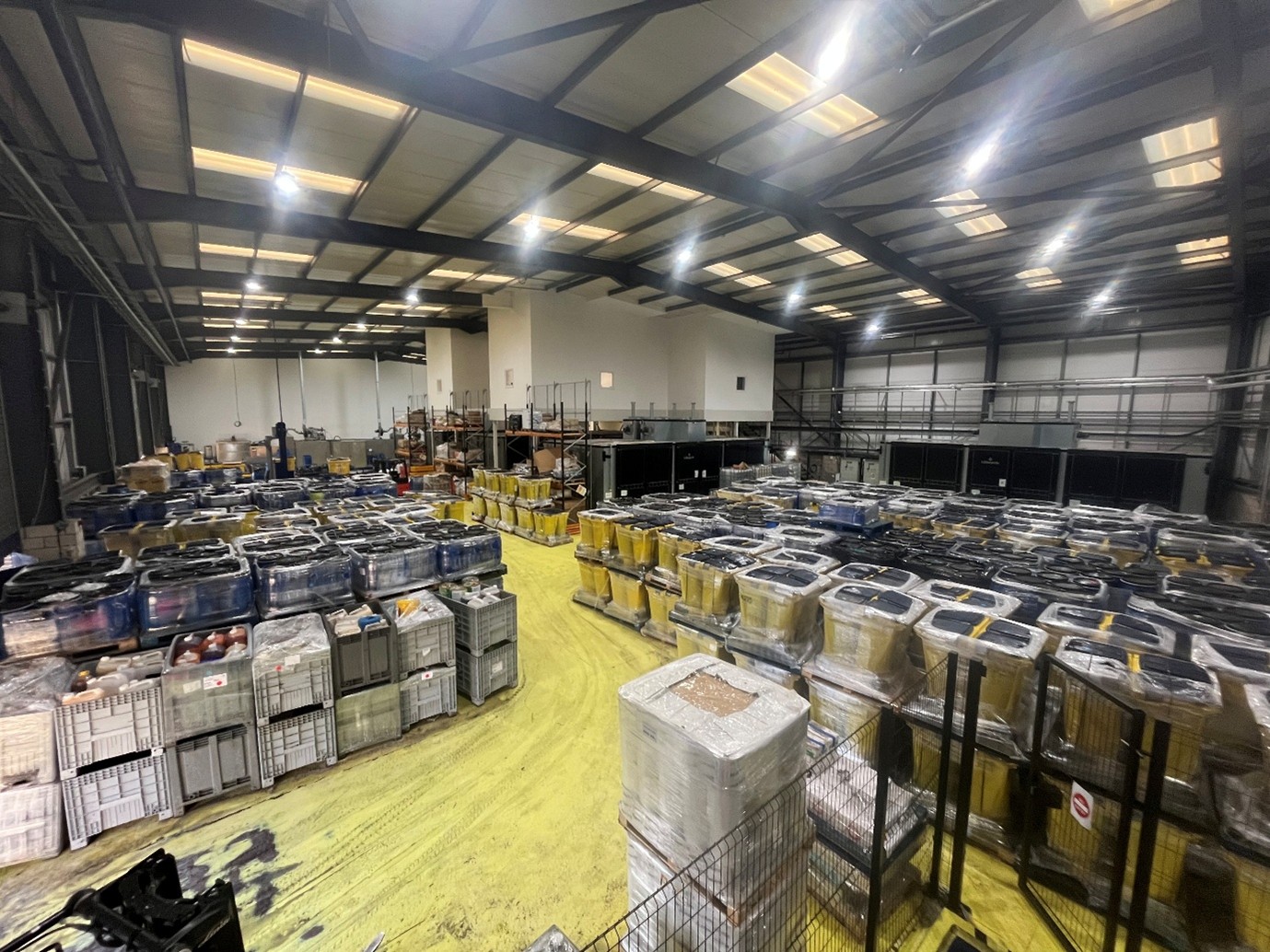
Clear completed environmental due diligence for an industrial property transaction under a tight timetable. The review considered current site conditions, historic land use, regulatory information and legacy mining, allowing the client and its advisers to distinguish manageable environmental issues from risks that could affect the transaction.
Read the case study →Read more on this.
Plain-English guides from our insights, written for developers, buyers and their advisers.
Environmental Due Diligence: What It Is and Why It Matters for Property Transactions
Environmental risks aren’t always visible but they can cost you. This blog explains what Environmental Due Diligence is and why it matters in property transactions.
What is a Phase 1 Desk Study (Preliminary Risk Assessment)?
What a Phase 1 Desk Study involves, when it is needed for planning or due diligence, and how it identifies contaminated land risks early.
Understanding UK Contaminated Land Regulations: A Guide for Developers
A practical guide to UK contaminated land laws for developers. Learn how to manage risk, satisfy planning, and unlock value from brownfield sites.
Common questions.
How quickly can you report?
Our standard is within 10 days of instruction. Where a transaction timetable demands it, we can expedite; a recent industrial acquisition had a walkover within 24 hours and a final report within 48 hours of instruction. Tell us your reporting date and we will confirm what is achievable before you instruct.
Do you assess flood risk as well as contamination?
Yes. Flood risk affects insurability, business continuity and value, so we assess it alongside land contamination as standard.
Can you help at lease end?
Yes. Environmental dilapidations assessments identify contamination attributable to tenant activities and, where needed, cost the reinstatement to support landlord and tenant negotiations.
Get a quote for your site.
Send us the address and what you’re planning. A senior consultant will reply with a quote and the right first step, usually within one working day.