

Phase 1 Desk Study & Environmental Assessment
Understand the environmental risks early, before they affect planning, acquisition or redevelopment.
Clear Environmental reviews the site's history, environmental setting and proposed use to establish which risks matter, whether further work is actually needed and what should happen next.

Report within 10 working days of instruction. Expedited delivery available for planning deadlines.
Planning and development requirements
Establish whether contaminated land or other environmental considerations could affect the planning strategy or require further assessment.
Site history and existing information
Understand whether former uses, neighbouring activities or previous investigations introduce uncertainty that needs to be resolved.
The need for further investigation
Determine whether intrusive investigation is justified and, where it is, define what actually needs to be investigated.
A Phase 1 should tell you what matters to the project.
Environmental searches can identify a long list of historic activities, regulatory records and potential hazards. The consultant's role is to determine which of those issues could genuinely affect the proposed development.
That means looking beyond the search results and reaching a clear view on what is relevant, what remains uncertain and whether further work is justified.
Evidence first. Judgement throughout.
A database record is only useful if it matters to the site. We interpret the evidence in the context of the proposed development and the decision that needs to be made.
Understand the site and proposed development
We establish how the site has been used, what is proposed and which environmental risks could materially affect the project.
Review the available evidence
Historical mapping, environmental records, geology, hydrogeology, planning information and previous reports are considered together rather than in isolation.
Work out whether contamination could cause a problem
We look at where contamination could come from, how it could move and who or what it could affect. This helps separate material risks from records that have little relevance to the development.
Reach a clear conclusion
We explain whether further information or investigation is required and, where it is, what that work needs to resolve.
What can a Phase 1 conclude?
We report what the evidence supports. Each outcome is a legitimate answer, and the first is often the most valuable.
No significant contaminated land risk identified
Where the assessment does not identify significant contaminant linkages or unresolved risks, intrusive contaminated land investigation will not be recommended.
Existing information needs to be resolved
Previous reports, investigations or information on former site operations should be reviewed or closed out before intrusive works are proposed or scoped. Resolving these uncertainties first can avoid investigating questions that the existing evidence can already answer.
Intrusive investigation is justified
Where a credible risk or material uncertainty remains, we define what a Phase 2 Site Investigation needs to test and why. The scope follows the risks identified in the Phase 1 rather than applying a generic investigation to every site.
Clear conclusions, not just environmental data.
The report brings the available evidence together into a clear assessment of the environmental risks relevant to the site and proposed development.
Explore the detail behind Phase 1 assessments, planning requirements and contaminated land conditions.
A recent project.
What this looked like on a real site, and what the client could do as a result.
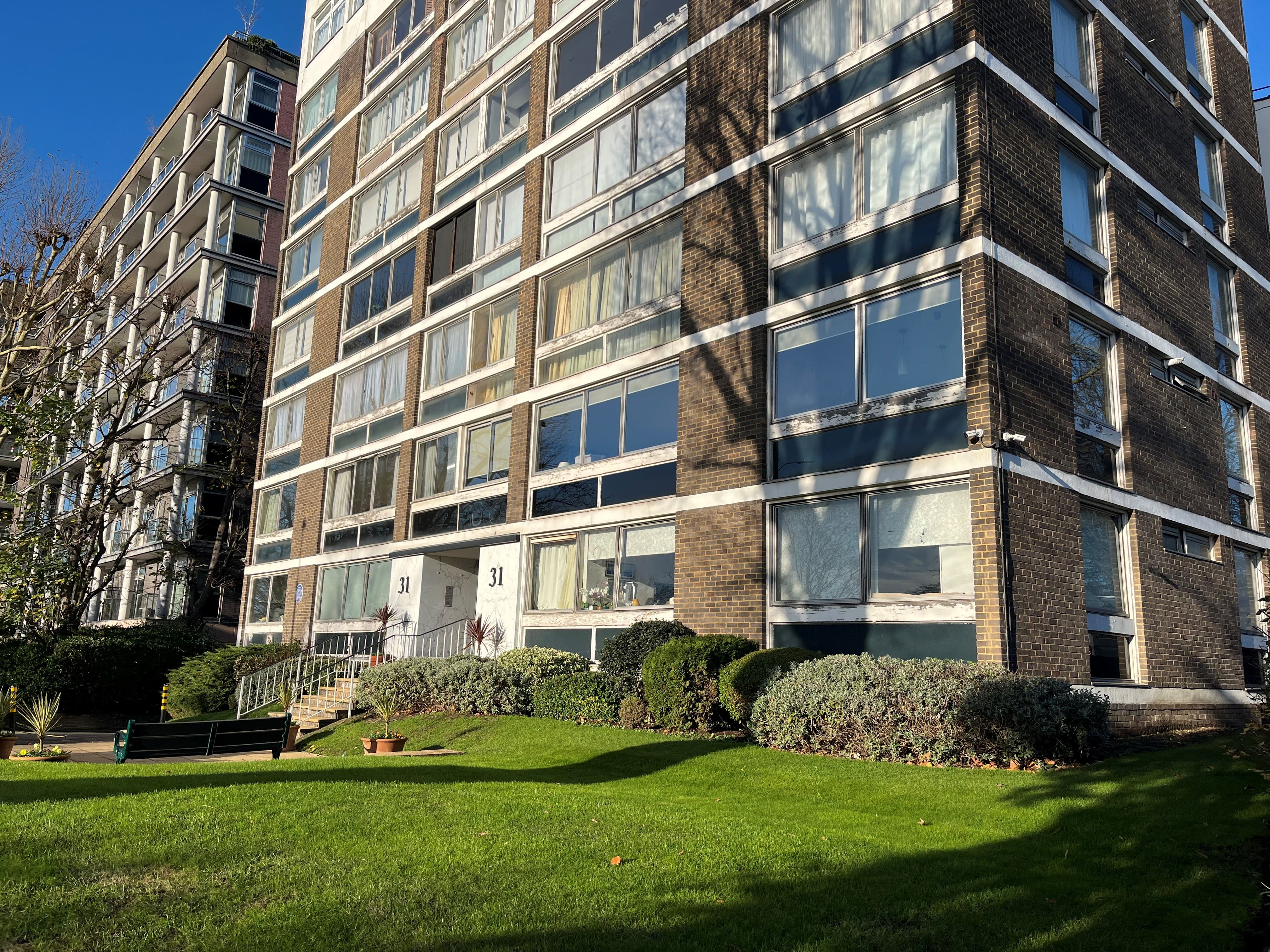
Closing out contaminated land risk at Phase 1.
For a proposed residential redevelopment in London, Clear reviewed the site's history, environmental setting, planning information and previous ground investigation data. The Phase 1 concluded that no further contaminated land investigation or remediation was required, allowing the project team to progress without an additional contamination-focused Phase 2 investigation.
Read the case study →Read more on this.
Plain-English guides from our insights, written for developers, buyers and their advisers.
What is a Phase 1 Desk Study (Preliminary Risk Assessment)?
What a Phase 1 Desk Study involves, when it is needed for planning or due diligence, and how it identifies contaminated land risks early.
Why Do You Need a Phase 1 Environmental Assessment for Planning?
Learn why a Phase 1 Environmental Assessment is essential for UK planning. Identify risks early, avoid delays, and protect project costs and approvals.
Discharging Contaminated Land Planning Conditions in the UK
Step-by-step guide to discharging contaminated land planning conditions in the UK. Learn about Phases 1–4, compliance, and commercial benefits.
Common questions.
What is a Phase 1 Environmental Assessment?
Also known as a desk study or Preliminary Risk Assessment (PRA), it is the first step in assessing land for potential contamination. It reviews historic land use and environmental records, and includes a site walkover to identify potential sources, pathways and receptors. The outcome is a risk-based conclusion that either no further action is needed or that intrusive investigation is required.
Is a Phase 1 required for planning permission?
Local planning authorities frequently require one, especially for brownfield sites. It demonstrates that contamination risk has been properly considered in line with the NPPF and the Environment Agency’s LCRM guidance.
Do I need a Phase 1 for a greenfield site?
Sometimes. Greenfield sites are generally lower risk, but councils may still ask for a Phase 1 to demonstrate the absence of contamination, and it gives lenders and investors reassurance.
How long does it take?
Most Phase 1 reports are delivered within 5 to 10 working days, depending on site size and data availability. Expedited delivery is possible for urgent planning deadlines.
Get a quote for your site.
Send us the address and what you’re planning. A senior consultant will reply with a quote and the right first step, usually within one working day.