

Groundwater Monitoring
Know how high the water gets before the design depends on it.
Groundwater often decides whether a solution is viable at all: soakaways, basements, excavations and foundations all depend on it. We monitor where and when it matters, often alongside BRE 365 testing, and explain what the levels mean for the design.
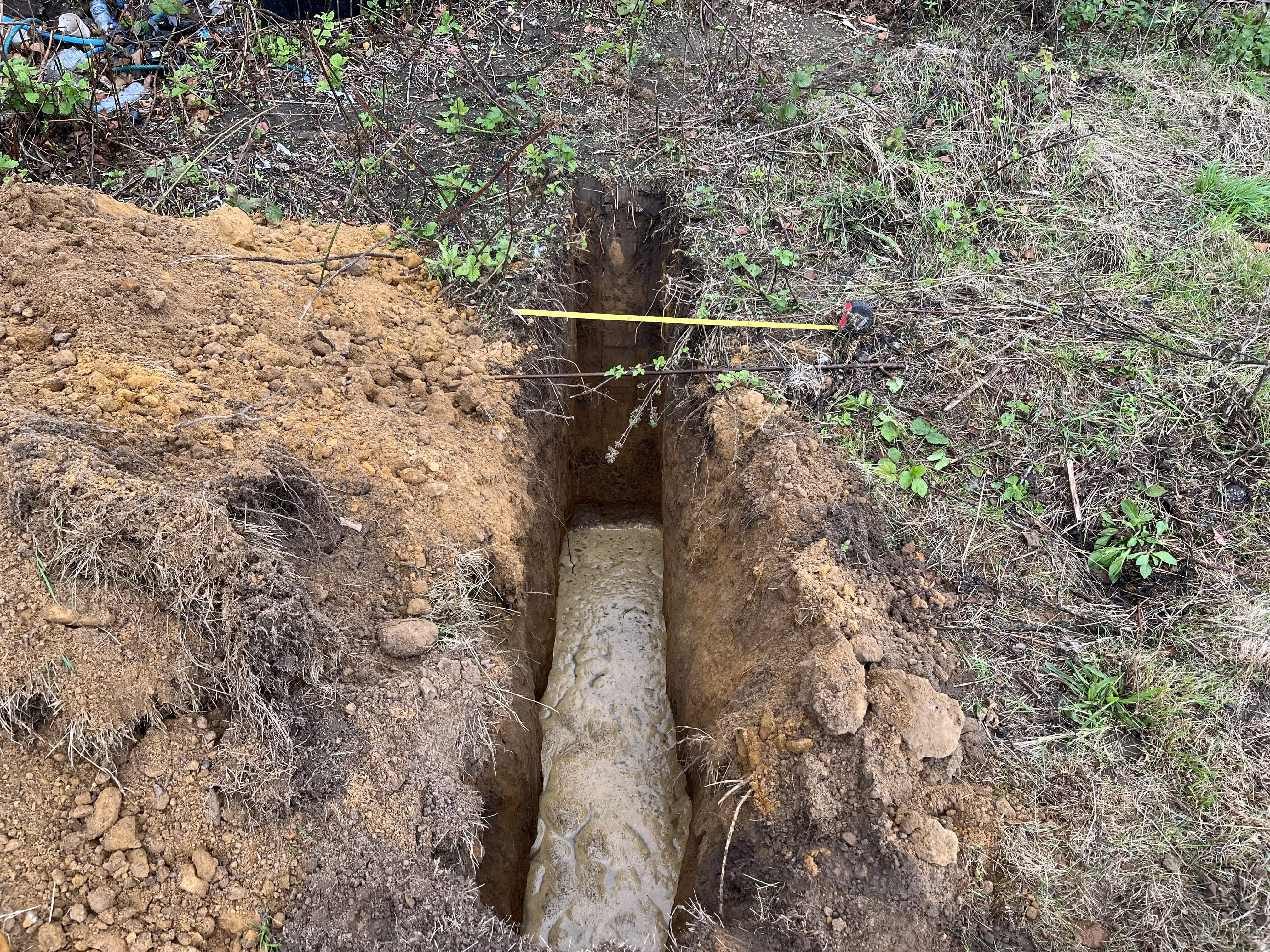
A single round to confirm conditions, or repeat readings to capture the seasonal high.
Where is the water, and how high?
The groundwater levels that drainage, basement and foundation decisions rely on.
Soakaway depth, basement waterproofing or excavation method
Or the evidence for an alternative where groundwater rules a solution out.
Groundwater level record and interpretive design note
For drainage and civil engineers, basement and structural designers and developers.
Measure it properly once, rather than assume it conservatively forever.
Finding out how deep the groundwater is and how it behaves, for drainage, basements and excavations.
Typical triggers include soakaways or permeable paving where the maximum groundwater level controls feasibility, BRE 365 testing in the same mobilisation, basements and deep excavations, foundation design, and planning or LLFA queries about seasonal high groundwater.
From brief to answer.
Establish the groundwater levels that drainage, basement and foundation decisions rely on.
Install
Monitoring wells, often in the same trial pits or boreholes used for BRE 365 or ground investigation, with response zones set for the question.
Monitor
Level readings over one or more rounds, with automatic loggers where the seasonal range matters.
Interpret
Groundwater regime and seasonal high in the context of the geology, rainfall and site levels.
Advise
Clear design inputs: unsaturated depth for soakaways, water levels for basements, foundations and excavations.
Three honest outcomes.
We report what the evidence supports. Each outcome is a legitimate answer, and the first is often the most valuable.
No constraint
Groundwater sits well below the influence of the scheme.
Design around it
Levels and seasonal range set soakaway depth, basement waterproofing or excavation method.
Change the strategy
High groundwater rules out infiltration, with evidence to support an alternative.
Design inputs, not just readings.
Plain-English conclusions up front, with the technical detail regulators and engineers need behind them.
Guidance we work to: BRE Digest 365, the national standards for sustainable drainage systems (SuDS) and BS 5930.
A recent project.
What this looked like on a real site, and what the client could do as a result.
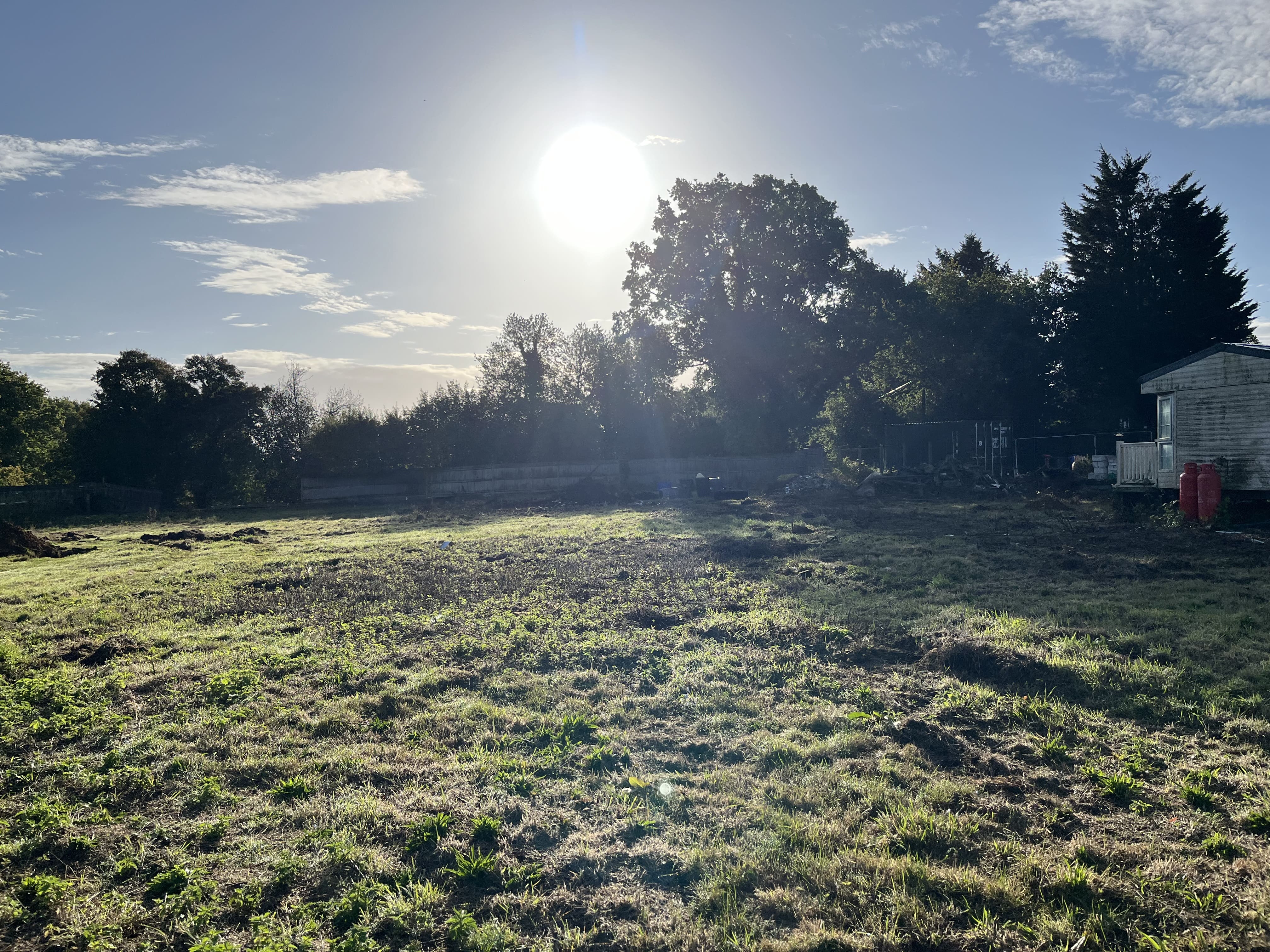
Infiltration data for surface water and foul drainage.
Clear completed BRE 365 soakaway testing and percolation testing to Building Regulations Part H for a residential development in Kent, recording groundwater levels, soil permeability and infiltration performance. A factual report was issued the next working day, giving the design team robust data for the drainage strategy.
Read the case study →Read more on this.
Plain-English guides from our insights, written for developers, buyers and their advisers.
BRE 365 Soakaway Testing: More Than an Infiltration Rate
Learn the pitfalls of BRE 365 soakaway testing and how proper planning, ground modelling and interpretation ensure reliable infiltration design and SuDS performance.
Infiltration Testing For Soakaway Design in the UK
UK-wide BRE 365 infiltration testing. Accurate rates & suitability comments for SuDS & Building Standards compliance. Results for your drainage engineer.
Soakaway Testing: A Developers Guide
What BRE 365 soakaway testing involves, when it is needed for planning, and how infiltration results support SuDS and drainage design.
Common questions.
Why monitor groundwater alongside BRE 365 testing?
Infiltration systems need an unsaturated zone beneath them. BRE 365 tells you how fast water soaks away; groundwater monitoring tells you how much depth you have to do it in. Together they give the drainage designer a strategy the LPA and LLFA can accept.
How long does monitoring take?
A single round confirms conditions at the time of testing. Where the seasonal high matters, typically for soakaways or basements, repeat readings or loggers over the wetter months give a defensible design level.
Get a quote for your site.
Send us the address and what you’re planning. A senior consultant will reply with a quote and the right first step, usually within one working day.