

Contaminated Land Remediation Strategy (Phase 3)
Turn confirmed contamination into a defined, proportionate plan for making the site suitable for development.
Clear uses the site investigation evidence, proposed layout and planning requirements to define what needs to be remediated, where action is needed and how completion will be demonstrated.
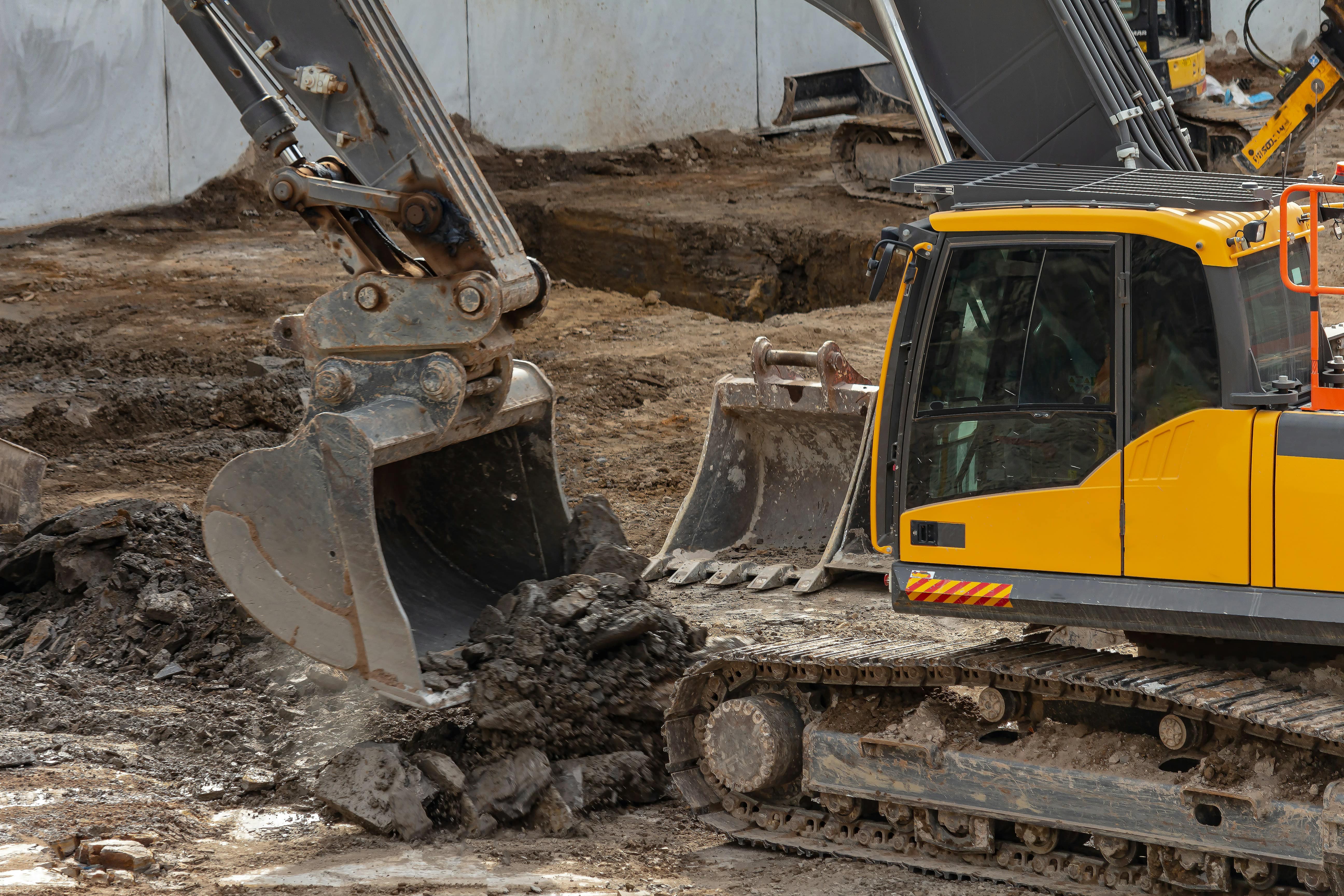
Where no additional investigation is required. A recent Manchester strategy was delivered within five working days.
Remediate the actual risk
Target the source, pathway or receptor that creates the unacceptable risk rather than treating contamination in isolation.
Fit the strategy around the scheme
Use the proposed buildings, hardstanding, gardens and infrastructure to determine where different measures are actually needed.
Make the end point clear from the start
Set the testing, inspection and records required during the works so the project can prove the strategy was delivered.
A remediation strategy should turn a contamination finding into a defined scope of work.
Finding contamination does not automatically mean excavating everything or treating the whole site. The strategy needs to distinguish the risks that must be controlled from material that can safely remain in place.
That means considering the proposed layout, exposure pathways, construction sequence, waste implications and the evidence that will be needed to verify the works.
The solution should match the risk.
We start with the evidence from the site investigation and the proposed layout, then define a practical strategy that can be delivered, costed and verified.
Confirm what actually requires action
Review the investigation findings against the proposed use and layout to identify the risks that remain unacceptable.
Compare practical ways to manage the risk
Consider options such as targeted excavation, clean cover, gas protection, treatment, containment or changes to the development layout.
Define the works clearly
Set out where remediation is required, what standard needs to be achieved and how the works should be implemented.
Set verification requirements before work starts
Specify the inspections, testing, records and contingency actions needed to demonstrate that the completed works meet the strategy.
What does the strategy need to decide?
We report what the evidence supports. Each outcome is a legitimate answer, and the first is often the most valuable.
Which risks need no further action
The investigation evidence may show that some potential risks do not require action, allowing the strategy to focus only on what remains material.
Where targeted measures are enough
Localised soil removal, clean cover, gas protection, layout changes or other specific measures can address the identified risk without extending works across the whole site.
Where wider remediation is justified
Where contamination is widespread or affects groundwater or other sensitive receptors, the strategy defines the treatment, excavation, monitoring or controls needed to manage it.
A strategy contractors can follow and the project can verify.
The strategy should turn technical findings into a defined set of works, controls and evidence requirements.
Explore when a remediation strategy is needed, how options are selected and how remediation fits into the wider contaminated land process.
A recent project.
What this looked like on a real site, and what the client could do as a result.
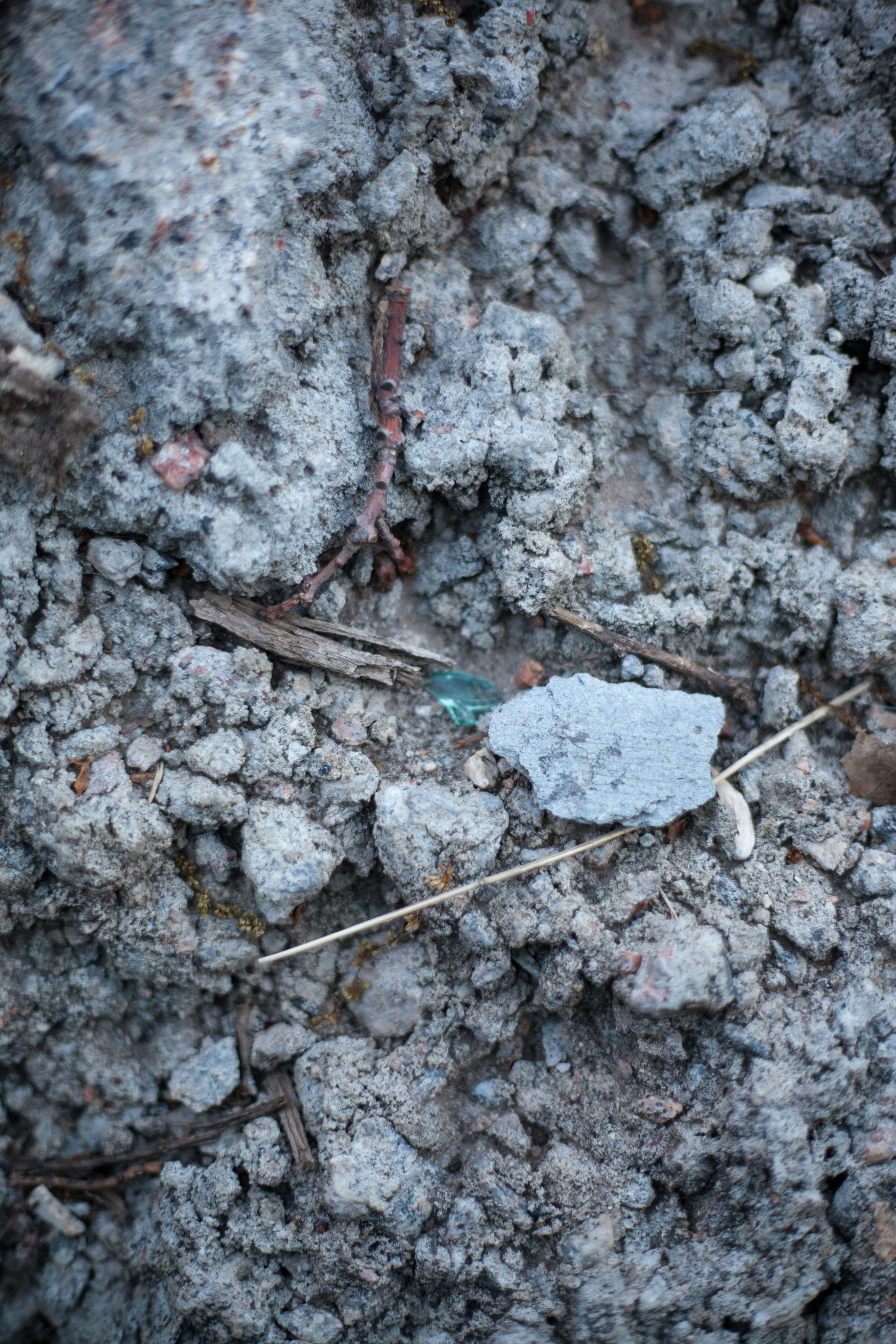
Limiting remediation to what the site actually needed.
For a residential development in Manchester, Clear reviewed the investigation findings and confirmed that no ground gas protection or controlled-water remediation was required. The remaining works were limited to a clean cover system in soft landscaped areas, giving the client a defined and proportionate route to discharging the relevant planning conditions.
Read the case study →Read more on this.
Plain-English guides from our insights, written for developers, buyers and their advisers.
Do I Need a Phase 3 Remediation Strategy? (And What Is It?)
When a Phase 3 Remediation Strategy is required, what it contains and how practical remediation supports planning and contaminated land management.
From Phase 2 to Remediation: What Happens if Contamination is Found?
What happens when a Phase 2 investigation identifies contamination, from risk assessment and remediation strategy through to verification.
Discharging Contaminated Land Planning Conditions in the UK
Step-by-step guide to discharging contaminated land planning conditions in the UK. Learn about Phases 1–4, compliance, and commercial benefits.
Common questions.
Does every contaminated site need remediation?
No. Remediation is needed where contamination exceeds acceptable thresholds and a pollutant linkage could cause unacceptable risk. Often remediation can be limited to specific areas, such as clean cover in gardens and soft landscaping.
How long does a strategy take?
Typically 5 to 10 working days where no further investigation is needed. A recent Manchester strategy was delivered within five working days.
Get a quote for your site.
Send us the address and what you’re planning. A senior consultant will reply with a quote and the right first step, usually within one working day.