

Phase 2 Site Investigation & Ground Investigation
Find out what is actually beneath your site before design, planning or construction relies on assumptions.
Clear designs targeted investigations to answer the questions that matter to your project, from contamination and groundwater to foundations, pavements and drainage.
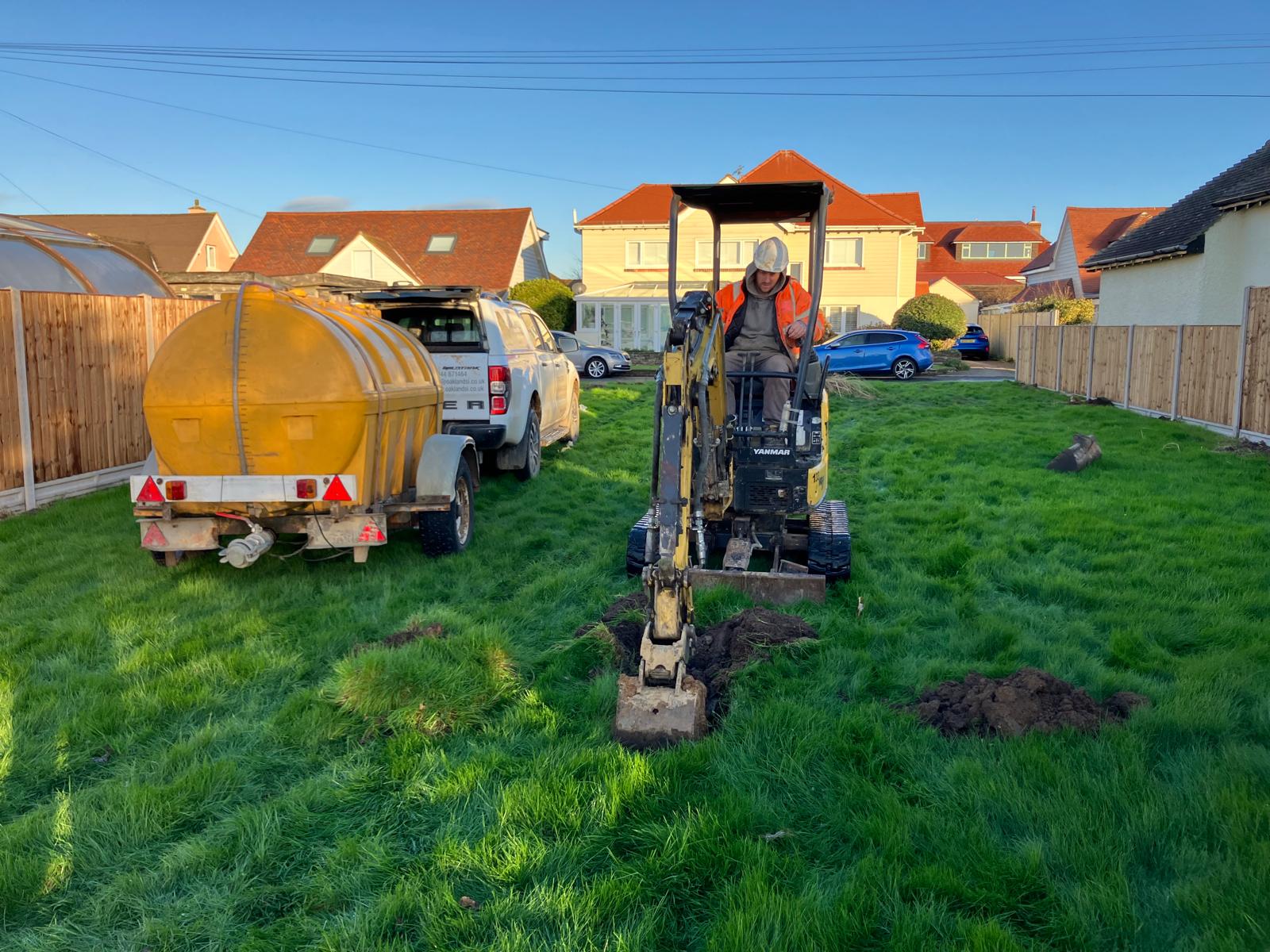
Typical programme including laboratory analysis. Ground gas monitoring may extend this.
Confirm what could affect planning or redevelopment
Establish whether contamination, ground gas or groundwater could affect the proposed use or require further assessment.
Test the ground assumptions behind the design
Understand soil and rock conditions, groundwater and existing foundations so structural and civil design is based on site-specific evidence.
Use the right amount of investigation
Some sites need a handful of targeted locations. Others need deeper drilling, monitoring or several methods. The scope should reflect the risk and the decision, not a standard investigation package.
A site investigation should answer the questions that could impact the project.
Boreholes, trial pits and laboratory tests are only useful if they resolve a real uncertainty. The scope must align with the specific site conditions, the planned development, and the critical decisions required by the project team.
That could mean confirming contamination risk, understanding groundwater, testing foundation assumptions, checking pavement support or combining several requirements into one coordinated investigation.
Every test should answer a question.
We start with what the project needs to know, then choose the investigation methods and testing that will answer it. That keeps the scope proportionate and makes the results useful to the people making planning, engineering and commercial decisions.
Define what needs to be known
We review the desk study, development proposals, existing reports and design information to identify the uncertainties that matter.
Choose the right investigation methods
Use boreholes, window sampling, trial pits, foundation exposures, on-site testing or monitoring where they are suited to the question being tested.
Test and interpret the ground conditions
Combine field observations, laboratory results and monitoring data to understand contamination, groundwater and how the ground is likely to perform.
Turn the findings into project decisions
Explain what the results mean for planning, foundations, drainage, pavements, remediation or the next stage of investigation.
What should the investigation tell you?
We report what the evidence supports. Each outcome is a legitimate answer, and the first is often the most valuable.
No further investigation is needed
Where the investigation does not identify a material environmental or geotechnical risk, or any unresolved uncertainty that needs further testing, no further site investigation work will be recommended.
The findings need to be allowed for in design
Where the investigation identifies a constraint such as weak ground, groundwater or contamination, we explain what it means for the proposed development and how it should be addressed.
A specific uncertainty remains
Where further investigation or monitoring is justified, we explain exactly what remains unknown and scope only the work needed to resolve it.
Useful evidence, interpreted for the project.
The report brings fieldwork, testing and monitoring together into clear conclusions that can be used by the project team.
Explore how Phase 2 investigations work, what happens when contamination is found and how intrusive work fits into the wider contaminated land process.
A recent project.
What this looked like on a real site, and what the client could do as a result.
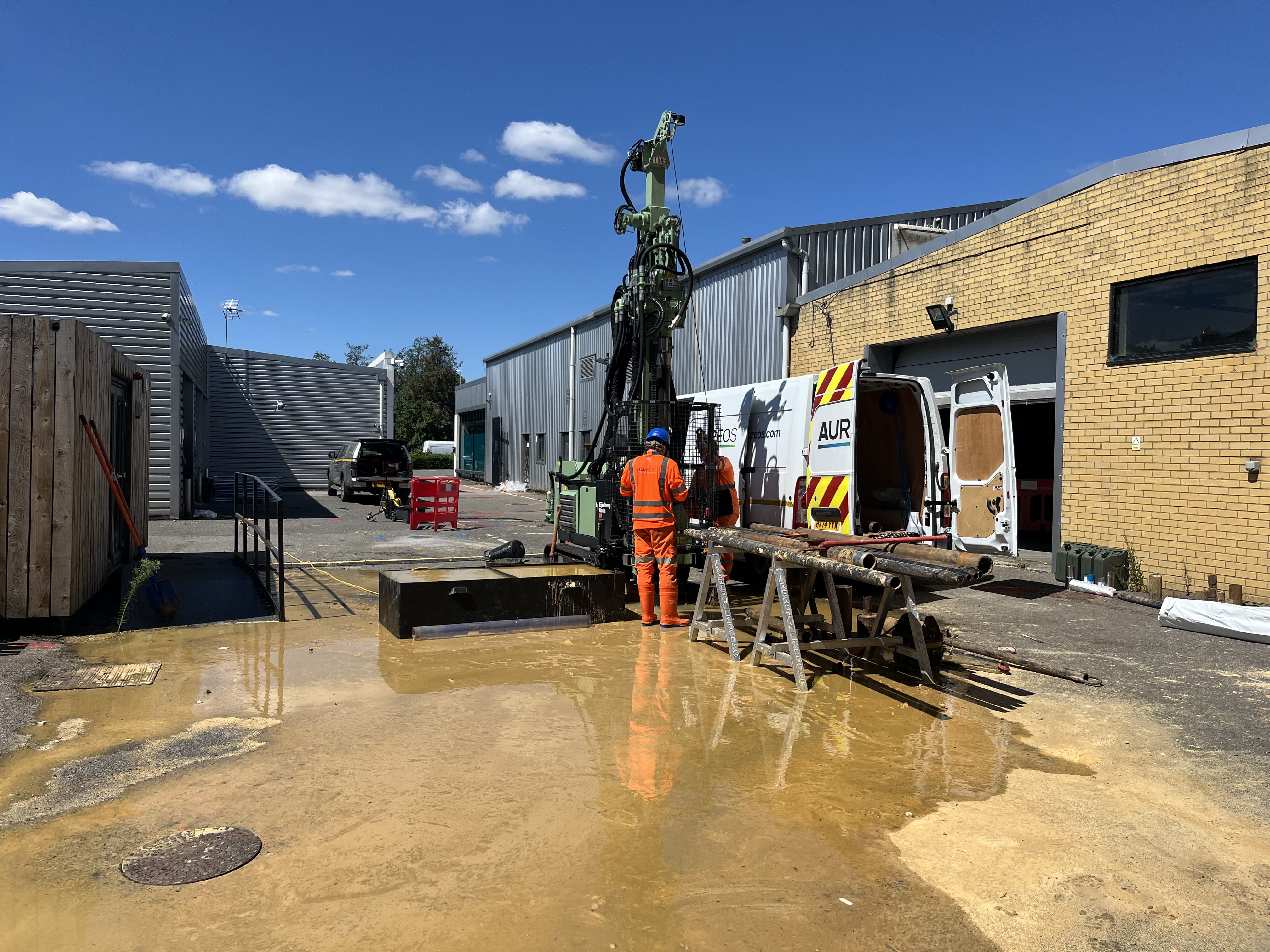
Finding the foundation constraint before detailed design.
For a proposed commercial redevelopment in Sevenoaks, Clear investigated shallow and deeper ground conditions and established that conventional shallow foundations were not an appropriate basis for the building. The project team could then focus detailed design on deeper foundations, piling or ground improvement, with site-specific information also provided for pavement design.
Read the case study →Read more on this.
Plain-English guides from our insights, written for developers, buyers and their advisers.
Phase 2 Site Investigation Explained – Methods and Outcomes
Discover methods like trial pits and boreholes with timescales, and how Phase 2 builds on Phase 1 to manage land contamination risks effectively.
From Phase 2 to Remediation: What Happens if Contamination is Found?
What happens when a Phase 2 investigation identifies contamination, from risk assessment and remediation strategy through to verification.
Discharging Contaminated Land Planning Conditions in the UK
Step-by-step guide to discharging contaminated land planning conditions in the UK. Learn about Phases 1–4, compliance, and commercial benefits.
Common questions.
What does a Phase 2 involve?
Typically boreholes or trial pits, soil and groundwater sampling for laboratory analysis, ground gas and vapour monitoring, geotechnical testing where needed for foundations, and a risk assessment with recommendations.
What contaminants can it detect?
The testing suite is set by the Phase 1. Common determinands include heavy metals, petroleum hydrocarbons and PAHs, solvents and VOCs, asbestos in soil, and ground gases such as methane and carbon dioxide.
Can it be combined with a geotechnical investigation?
Yes, and it usually should be. Assessing contamination and engineering properties in a single mobilisation saves time and cost.
How long does it take?
Most investigations take 4 to 6 weeks including laboratory turnaround. If ground gas monitoring is required, additional visits over a longer period may be needed.
Get a quote for your site.
Send us the address and what you’re planning. A senior consultant will reply with a quote and the right first step, usually within one working day.