Coal Mining Risk Assessments for Planning: When Is Further Investigation Needed?

Coal mining information can look significant on a search report, but the presence of historic mining records does not automatically mean a development needs a large intrusive investigation.
The purpose of a Coal Mining Risk Assessment is to establish which mining features could genuinely affect the proposed development, whether those risks can be discounted from the available evidence and, where they cannot, what targeted investigation or mitigation is actually needed.
When is a Coal Mining Risk Assessment needed?
For most forms of development within a Development High Risk Area on the coalfield, a Coal Mining Risk Assessment is required to support the planning application. The assessment should demonstrate that the proposed development can be made safe and stable, taking account of relevant coal mining legacy features.
Development Low Risk Areas are treated differently. A Coal Mining Risk Assessment is not normally required simply because a site lies within the wider coalfield. The important distinction is whether the proposed development falls within an area where recorded mining features have the potential to affect ground stability or public safety.
What should the assessment look at?
A good assessment combines the development proposals with the available mining and geological evidence. Depending on the site, this can include:
- mine entries and recorded shafts;
- recorded or probable shallow workings;
- workable coal seam outcrops;
- former surface mining;
- mining-related hazards, fissures or breaklines;
- mine gas where relevant;
- geological information and historic borehole records; and
- previous ground investigations or mining reports for the site or nearby land.
The key is not simply to list these records. They need to be assessed against the proposed development layout, foundation depths, excavations and other groundworks.
When can the assessment conclude that no further mining work is needed?
Where the available evidence shows that mining features do not present a credible risk to the proposed development, no mining-specific intrusive investigation should be recommended.
For example, records may show that relevant workings are too deep to affect the development, a suspected feature may be outside the area of proposed construction, or existing borehole information may already provide enough evidence to discount a particular risk.
This is why the desk-based stage matters. Its job is to resolve what can be resolved from the available evidence before drilling is proposed.
When is intrusive investigation justified?
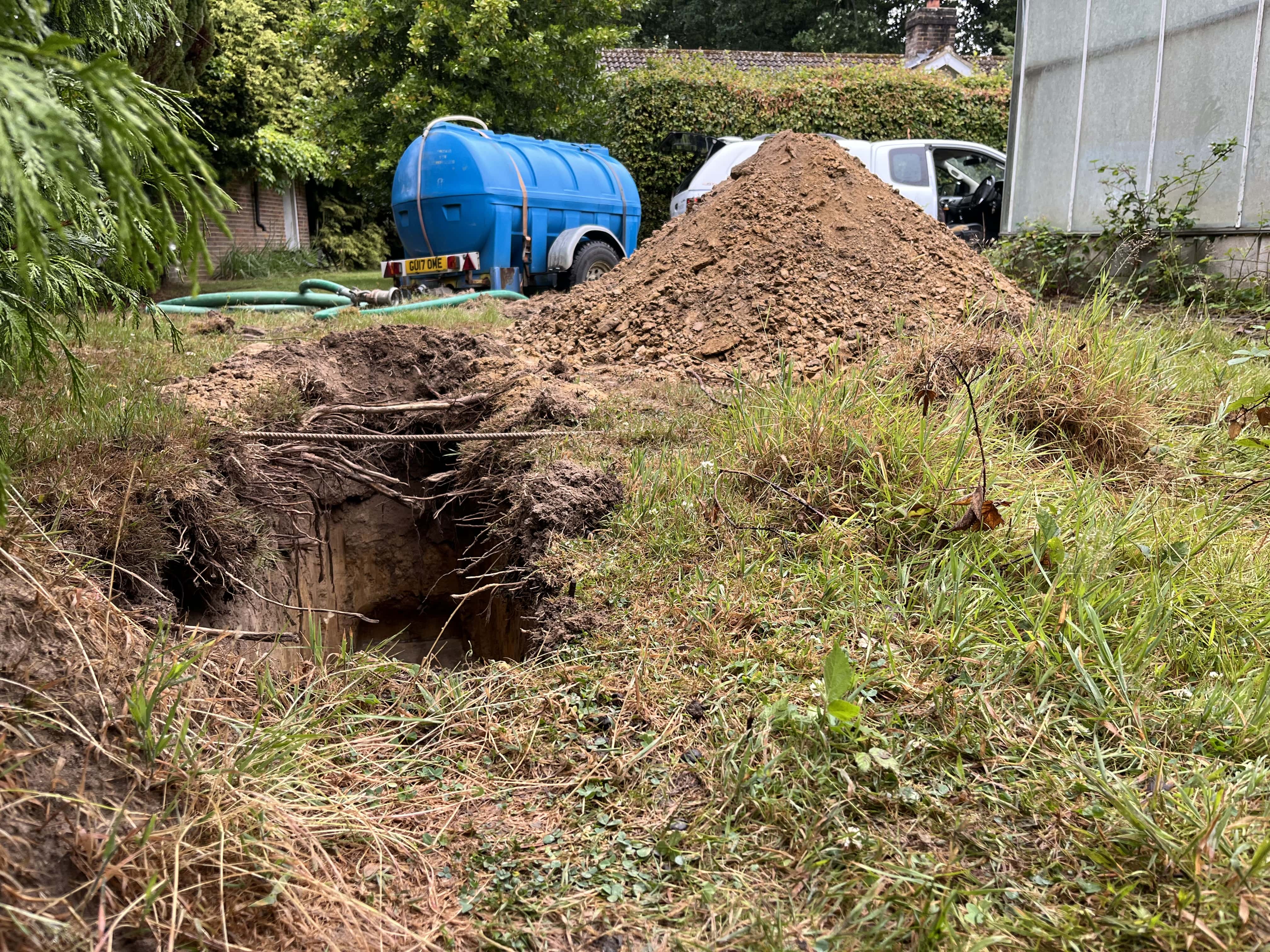
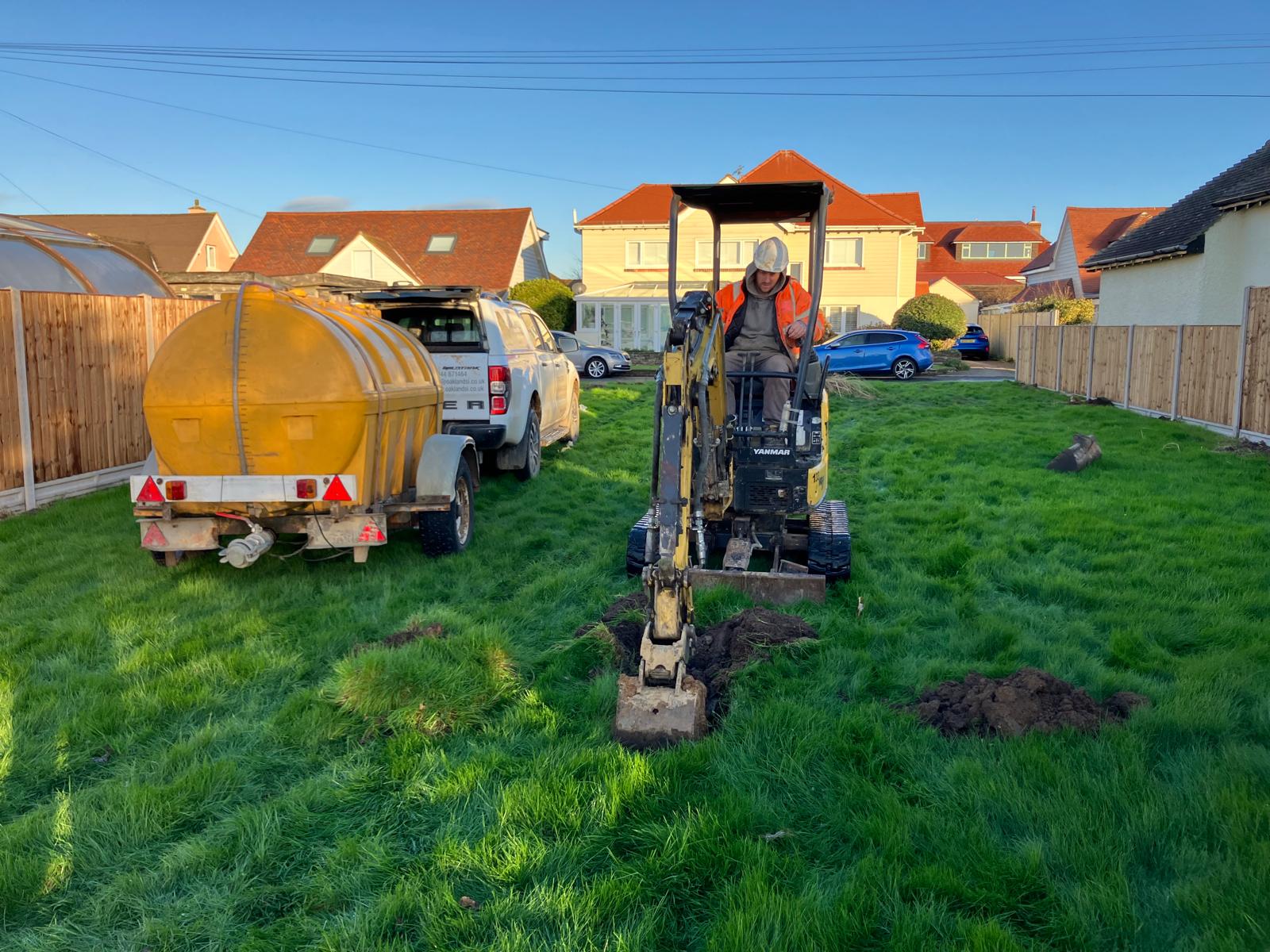
Further investigation is appropriate where a material uncertainty remains and the answer could affect the development.
Examples include:
- a mine entry whose exact position could affect the proposed layout;
- shallow workings that cannot be discounted beneath proposed buildings or significant groundworks;
- uncertainty around the depth or condition of mine workings;
- localised areas where historic mining features could affect ground stability; or
- mine gas or other mining-related hazards that require site-specific evidence.
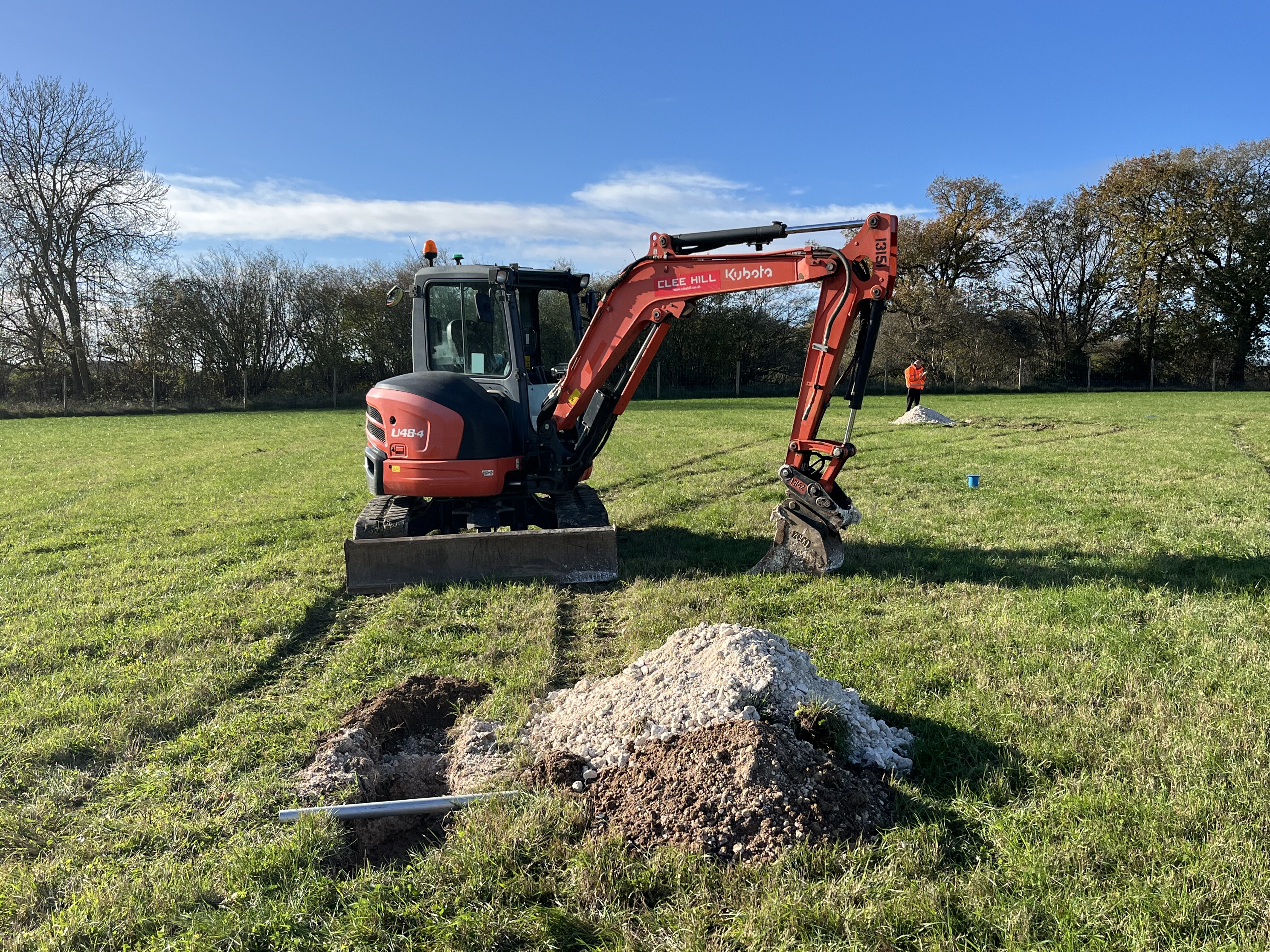
The scope should be targeted to the uncertainty. A localised risk does not automatically justify a site-wide drilling programme.
Why the proposed layout matters
Mining risk is not assessed in isolation from the development. A feature beneath open landscaping may have a very different significance from the same feature beneath a proposed building, retaining wall or deep excavation.
Where mine entries or other significant features are present, their position may need to influence the layout. In some cases the safest and most practical solution is to avoid building over or close to the feature rather than designing increasingly complex mitigation around it.
What happens if a risk is confirmed?
Confirming a mining feature does not by itself determine the solution. The next step is to understand its significance for the proposed development and decide whether the response should be a layout change, further targeted investigation, ground treatment, foundation measures, monitoring or another proportionate control.
The assessment should make that route clear so the project team knows what needs to happen next and why.
A pragmatic Coal Mining Risk Assessment
The most useful assessment is not the one that recommends the most investigation. It is the one that gives the project team a defensible answer on where mining risk matters and where it does not.
At Clear Environmental, we start with the desk-based evidence and the proposed development. Where the available information is sufficient to discount a material mining risk, we say so. Where further investigation is justified, we define the specific question it needs to answer and target the scope accordingly.

.jpeg)