

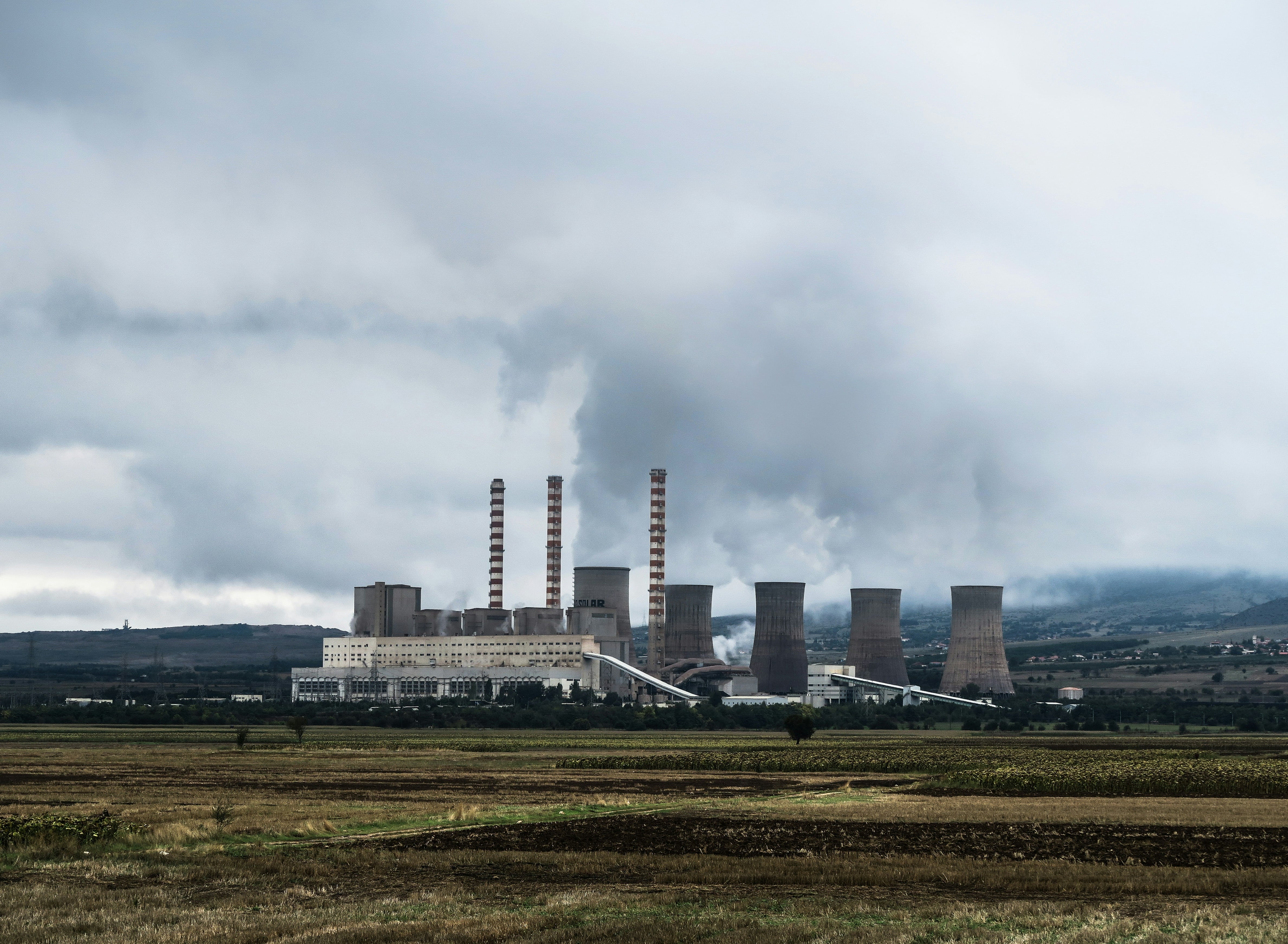
When you’re acquiring or developing land in the UK, one of the most important considerations is whether that land is contaminated. This isn’t just an environmental issue; it’s a commercial one. Contamination can affect planning approvals, inflate remediation costs, extend timescales, and erode your investment’s value.
In the UK, “contaminated land” is defined under Part 2A of the Environmental Protection Act 1990 as land where substances are causing, or could cause, significant harm to people or the environment, or pollution to controlled waters. But what actually causes it?
While every site is unique, contamination in the UK most commonly arises from five main sources:
- Industrial and commercial legacy – pollutants left behind by manufacturing, storage, and waste-handling activities.
- Infrastructure and utilities – contamination linked to transport networks, energy generation, and utility services.
- Agricultural and rural sources – persistent chemicals, nutrient loading, and livestock treatment residues.
- Natural and geogenic contamination – naturally occurring substances such as arsenic, radon, or metals from underlying geology.
- Accidental and isolated incidents – one-off spills, leaks, or pollution events.
By recognising these potential sources early, developers and investors can better anticipate risks, plan effective site investigations, and avoid costly surprises.
1. Industrial and Commercial Legacy
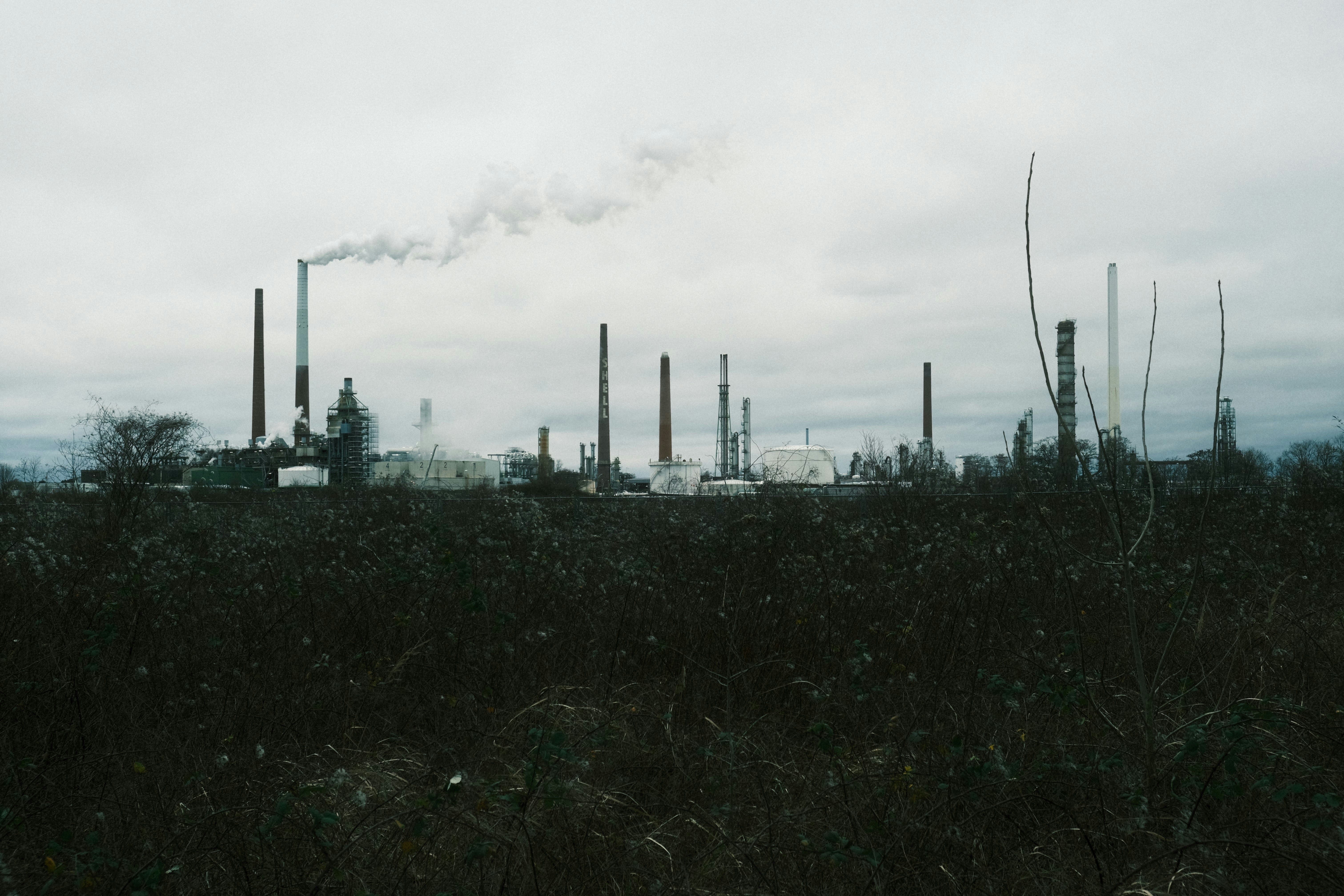
The UK’s industrial history has left a long shadow over its urban land. Manufacturing, heavy industry, and storage of hazardous materials during the Industrial Revolution and beyond have left behind persistent pollutants.
Examples include:
- Former factories and works – metal plating, tanneries, and chemical works often left behind heavy metals, solvents, and oils.
- Fuel depots and filling stations – leaking underground tanks and pipelines releasing petroleum hydrocarbons.
- Landfills – containing asbestos, hazardous chemicals, or organic matter producing ground gases.
These “brownfield” sites are common redevelopment targets. With the right due diligence, they can still be excellent opportunities provided the contamination risk is quantified and managed early.
2. Infrastructure and Utilities
Legacy infrastructure can also be a hidden source of contamination:
- Old gasworks – coal tar residues, cyanides, and other by-products.
- Electrical substations – associated with PCBs and hydrocarbons.
- Railway land – containing oils, fuel residues, and herbicides from decades of operational use.
Former gasworks are among the most contaminated sites in the UK, with a legacy of hazardous by-products from historic “town gas” production including coal tar, cyanides, phenols, hydrocarbons and heavy metals. These contaminants, often buried or stored on-site, can persist for decades, posing significant risks to human health and controlled waters. While many gasworks occupy prime urban locations ideal for redevelopment, their remediation is often complex and costly, typically involving targeted investigation of historic plant areas and the removal, treatment or containment of heavily impacted soils to meet environmental and planning requirements.
3. Agricultural and Rural Sources
Rural locations are not immune from contamination:
- Pesticides and herbicides – persistent in soils for decades.
- Slurry and fertilisers – leading to nutrient and pathogen leaching.
- Sheep dip compounds – organophosphate and organochlorine dips, toxic and highly persistent.
4. Natural and Geogenic Contamination
Some risks occur naturally but still impact development decisions.
- Arsenic – naturally elevated in mineral-rich soils, particularly in Cornwall and West Devon. Studies have found high concentrations in soils and household dust near historic mining areas.
- Radon gas – formed from the decay of uranium in rocks and soils. High-radon areas include Southwest England, Derbyshire’s Peak District, south-east Kent, parts of southern Scotland, and Orkney. The UKHSA/BGS Radon Potential Map is the definitive tool for identifying affected zones.
- Metals from underlying geology – such as lead or nickel, which can naturally exceed guideline values.
These naturally occurring contaminants can still trigger the need for mitigation measures such as radon barriers, influencing both cost and design.
5. Accidental and Isolated Incidents
Not all contamination is a result of historic industrial legacy, some is caused by a single incident such as:
- Chemical spills or leaks – from industrial accidents or transport.
- Firefighting foam residues (PFAS) – from emergency responses.
Why This Matters to Developers and Investors
In the UK property market, environmental due diligence is more than a compliance exercise, it is a strategic advantage.
- Identify risks early: Commissioning a Phase 1 Environmental Assessment in line with British Standards allows you to assess contamination potential before exchange. This can prevent inheriting liabilities under the Environmental Protection Act 1990 and the Environmental Damage Regulations 2015.
- Refine your development budget: Defra’s Land Contamination Risk Management (LCRM) guidance provides a structured way to forecast remediation needs, from straightforward soil management to complex engineered solutions.
- Secure smoother planning approval: Planning authorities follow the National Planning Policy Framework (NPPF) and Planning Practice Guidance: Land Affected by Contamination. Demonstrating that your site will be “suitable for use” can help avoid restrictive planning conditions.
- Negotiate better terms: If contamination is confirmed, evidence aligned with the RICS Contamination, the Environment and Sustainability Guidance Note can be used to adjust purchase prices, reallocate liability, or agree vendor-funded remediation.
Next Steps: How to Approach a Potentially Contaminated Site
If your site has a known or suspected contamination source, start with a Phase 1 Assessment to:
- Review historical maps, environmental records, and datasets.
- Identify potential contaminant sources, pathways, and receptors.
- Determine if intrusive investigation (Phase 2) is required.
If Phase 2 Site Investigation confirms contamination, develop a remediation strategy to make the site safe and viable, often unlocking significant value in brownfield land.
Contaminated land can result from a range of sources, both human-made and natural, and is not always visible. For UK developers and investors, the smart move is to understand risks before you commit. With robust assessment and targeted mitigation, even challenging sites can deliver strong returns and contribute to sustainable regeneration.
Discover the five main causes of contaminated land in the UK, from industrial legacy to natural risks. Learn how to identify hazards early, manage remediation costs, and protect your development investment.
Our services cover due diligence, contaminated land, ground conditions and drainage.
Explore our services →Related guidance
Get a quote for your site.
Send us the address and what you’re planning. A senior consultant will reply with a quote and the right first step, usually within one working day.